

What to Know About Packing Materials
Moving
Storage
Get Your Free Quote
"*" indicates required fields
"*" indicates required fields
Many people think that any box or soft blanket can protect and carry their items during a move. But to be completely honest, having the right and dependable packing materials for your move can be the difference between something broken and not. Quality supplies don’t just make things easier to carry; they also provide the protection your items need during transport. Whether you’re relocating across town or across the country, knowing which packing materials to use can save you from unnecessary stress, damage, and costs. And Columbine Moving and Storage CO is here to provide you with the right parking supplies.
Common Packing Supplies
These are the most used packing materials:
- Sturdy Moving Boxes – Available in small, medium, large, and specialty sizes for different items.
- Packing Tape – Heavy-duty tape to seal boxes securely and prevent them from opening.
- Bubble Wrap – Provides cushioning for fragile items like glassware, dishes, and electronics.
- Packing Paper – Ideal for wrapping dishes, filling empty spaces, and preventing scratches.
- Furniture Pads/Moving Blankets – Protect furniture, mirrors, and appliances from scratches and dents.
- Stretch Wrap/Plastic Wrap – Keeps drawers closed, secures loose items, and bundles objects together.
- Labels & Markers – Helps organize boxes by room and content, making unpacking easier.
- Mattress and Sofa Covers – Protects large upholstered items from dust, dirt, and moisture.
- Foam Sheets or Peanuts – Lightweight fillers to keep items from shifting inside boxes.
- Gloves & Utility Knife – Gloves for safety when lifting and a sharp knife for easy box cutting.
However, always remember to leave no clutter behind after the move. Search for ways to dispose of packing materials after the move.

Types of Moving Boxes
Moving boxes are not just like any other boxes; they are strong and tough to help keep your items safe. When packed correctly, you do not have to worry about the bottom of a moving box falling out. Wardrobe boxes are great boxes, so you do not have to worry about your expensive clothing being folded up in a box or suitcase. Wardrobes are tall enough to allow you to hang clothing just as you would in your closet.
Another essential type is the dish pack box, which is double-walled and designed to hold fragile kitchenware like plates, glasses, and bowls. These boxes reduce the risk of breakage during transit. Small boxes are perfect for heavy items such as books, tools, or canned goods, since their size makes them easier to lift. On the other hand, medium and large boxes are better suited for lighter, bulkier belongings like linens, pillows, or toys.
For oddly shaped or extra-fragile items, there are specialty boxes, such as mirror and picture boxes that adjust to fit frames, or TV boxes that secure flat screens safely. File boxes with lids are ideal for important documents and office supplies, keeping papers organized and accessible. If you’re moving wine or collectibles, partitioned boxes are a smart choice, as they keep bottles or delicate items separated and protected.
Wrapping Packing Materials
Using the right wrapping materials ensures your belongings are cushioned, protected, and safe from scratches or breakage during transit. Here are some of the most common wrapping materials with their pros and cons:
Bubble Wrap
- Pros: Excellent cushioning for fragile items, reusable, lightweight, and prevents scratches.
- Cons: Takes up space inside boxes, not eco-friendly if not recycled.
Packing Paper
- Pros: Affordable, recyclable, easy to wrap dishes, glasses, and fill empty spaces.
- Cons: Provides less cushioning than bubble wrap, may require extra layering for protection.
Foam Sheets
- Pros: Thin yet protective, prevents surface scratches on electronics, mirrors, and furniture.
- Cons: Limited cushioning against heavy impact, not always reusable.
Stretch Plastic Wrap
- Pros: Great for bundling items together, keeps drawers shut, protects from dust and moisture.
- Cons: Doesn’t provide cushioning, single-use, can be tricky to unwrap.
Furniture Pads/Moving Blankets
- Pros: Thick protection for furniture, reusable, prevents dents and scratches.
- Cons: Bulky to store, usually need to be rented or purchased.
Old Towels or Linens (DIY Option)
- Pros: Cost-effective, eco-friendly, easy to repurpose after the move.
- Cons: Less secure than professional materials, not ideal for fragile items.

Use Packing Peanuts
Peanuts can be a useful packing material when packing fragile items, but most moving companies prefer to use bubble wrap. Since you can wrap bubble wrap around an item, you don’t have to worry about it falling off the bottom of the box and breaking. Bubble wrap is also not such a mess when you are unpacking, as the peanuts go everywhere when you remove your item from the box. You should always use packing tape over anything else. It was created to be safe on different surfaces and to hold your boxes together, where duct tape does not stick as well to moving boxes. All of these moving materials can be expensive, but Columbine Moving and Storage offers the option to buy gently used packing supplies at a discounted price!
How to Choose the Right Packing Materials
Which packing materials you’ll choose depends on the move itself, whether DIY, a professional move, or packing for professional storage.
If you’re planning a DIY move, choosing the right packing materials is crucial for protecting your belongings without overspending. Start with sturdy boxes in different sizes, heavy-duty tape, and plenty of wrapping materials like packing paper or bubble wrap. For heavier items such as books or tools, small boxes work best, while lighter items like linens can go in larger ones. Don’t overlook stretch wrap and furniture pads to safeguard bulky pieces. Since you’ll be handling everything yourself, labeling each box clearly will also save time and effort when it’s time to unpack. Smart preparation minimizes stress and damage.
When hiring professional movers, you’ll often have the option to use their packing services. This can be a smart choice if you own fragile, high-value, or unusually shaped items. Professionals come equipped with specialized packing supplies like dish packs, wardrobe boxes, and custom crating for artwork or electronics. While this may cost more than a DIY approach, it ensures proper handling and significantly reduces the risk of damage. If you prefer to pack some items yourself, invest in quality materials recommended by your movers. The combination of expert techniques and dependable supplies will give you peace of mind on moving day.
Packing Supplies to Use When Putting Stuff in a Storage Unit
Packing for storage requires a slightly different approach, especially if using portable storage, as your items may sit untouched for weeks or months. Use sturdy, moisture-resistant boxes and avoid thin cardboard that may weaken over time. For added protection, line boxes with packing paper and avoid using newspaper, which can stain. Plastic bins with tight lids work well for long-term storage, especially in areas prone to humidity. Wrap furniture in breathable covers to prevent dust build-up while allowing airflow. Label everything clearly and keep a simple inventory list. With careful packing, your belongings will remain in excellent condition until you need them again.
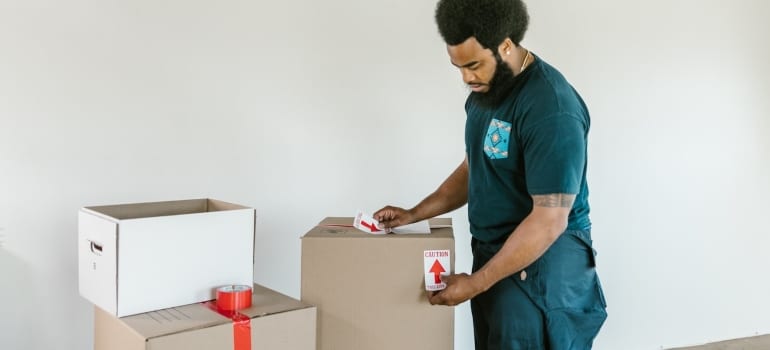
Choose Professional Packing Materials
Packing materials do matter. So, avoid DIY packing and choose professional moving services in Colorado, where experts use sturdy boxes, high-quality wrapping supplies, and proven techniques to protect everything from fragile glassware to bulky furniture. Not only does this save you time and stress, but it also ensures your items arrive safely and securely at your new home.


Been working with them for our Moves in Aspen and Vail. Great company and great service.
Louis-Philippe Paquin
