

Tips For Moving Antique Pieces From Basalt To Glenwood Springs
Moving
Storage
Get Your Free Quote
"*" indicates required fields
"*" indicates required fields
Moving antique pieces from Basalt to Glenwood Springs requires more preparation than a standard local move — from sourcing acid-free packing materials and disassembling fragile furniture to accounting for the canyon terrain and temperature swings along Highway 82. This guide walks you through every step, including how to handle glass, porcelain, paintings, clocks, and rugs, plus what to do with insurance, appraisals, and post-move acclimation to protect your collection from the moment it leaves your door to the moment it's settled in its new home.
Moving antique furniture, artwork, and collectibles requires precision, planning, and extra care. Whether you’re a collector or simply own a few cherished heirlooms, ensuring their safe relocation is paramount. Moving antique pieces from Basalt to Glenwood Springs can be particularly challenging due to the mountainous terrain and potential weather fluctuations. However, with the right strategies and moving companies Western Colorado has you can guarantee a smooth transition for your treasured possessions.
The Basalt to Glenwood Springs Route: What Antique Owners Need to Know
The drive from Basalt to Glenwood Springs covers roughly 17 miles along Highway 82 — a route most Roaring Fork Valley residents know well. But what feels routine in a passenger car is a different equation when you’re transporting irreplaceable antique furniture, fine art, or fragile heirlooms.
The highway runs alongside the Roaring Fork River and through a stretch of canyon terrain before opening up into Glenwood Springs. That means the road involves elevation changes, narrow canyon sections, and weather that can shift quickly — particularly in the colder months when ice patches form on shaded canyon walls. None of these conditions are extreme, but all of them affect how a loaded moving truck handles, and how much vibration and road shock your antique pieces absorb in transit.
A few specific factors to account for on this route:
- Road vibration on canyon stretches. The canyon section of Highway 82 has rougher road surfaces in places. Antique furniture with aged joints, inlaid surfaces, or fragile legs is particularly vulnerable to low-frequency vibration over longer distances. Proper internal packing — foam, padding, and securing items so they can’t shift — matters more than people expect on a route of this length.
- Temperature swings between Basalt and Glenwood Springs. The two towns sit at slightly different elevations and microclimates. In spring and fall especially, you can leave Basalt in moderate temperatures and arrive in Glenwood
- Springs during a cold snap — or vice versa. For antiques made from wood, leather, or natural textiles, rapid temperature exposure during loading and unloading accelerates expansion and contraction.
- Timing your move. Summer and fall offer the most predictable driving conditions. Winter and early spring introduce ice, occasional road closures near Glenwood Canyon, and cold that makes certain packing materials less effective. If you have flexibility, scheduling your antique move for late spring through early fall reduces weather-related risk considerably.
The good news: at 17 miles, this is a short move — which means less time in transit and less cumulative exposure to road conditions. The key is preparing your pieces properly before they ever leave the door.
Why Moving Antiques Is Different from Moving Regular Furniture
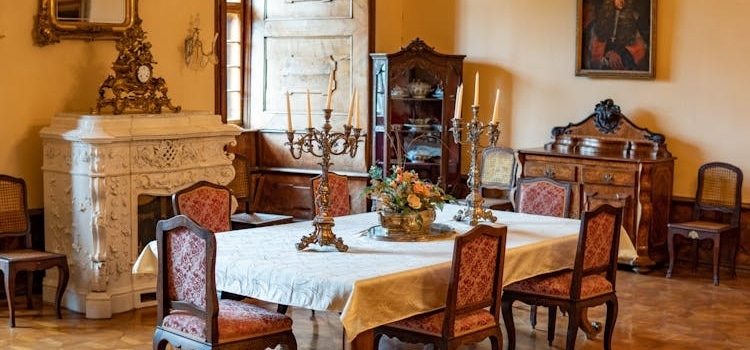
Antique pieces are not like standard furniture; they require special handling, climate considerations, and protective measures to avoid damage. Many antiques feature delicate wood, intricate carvings, or fragile glass elements that are susceptible to temperature and pressure changes. When relocating antique pieces from Basalt to Glenwood Springs, it’s essential to recognize these challenges and plan accordingly. To avoid any problems, plan everything with reputable movers in Basalt CO. This way, you will avoid disruptions and damages.
Gather the Right Packing Materials Before You Start
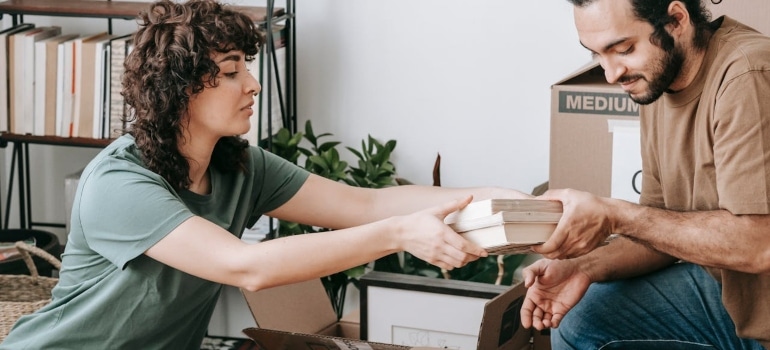
To ensure a successful move, gather the right materials for packing and transportation. Investing in high-quality supplies will help preserve your antiques throughout the journey.
- Acid-free packing paper: Prevents discoloration and damage to delicate surfaces.
- Bubble wrap and foam padding: Adds an extra layer of protection against shocks.
- Custom-built crates: Ideal for valuable and oddly shaped items.
- Heavy-duty moving blankets: Protects wooden and upholstered furniture from scratches and dents.
- Silica gel packets: Helps regulate humidity inside packaging.
Equipping yourself with these materials can provide an added layer of security when moving antique pieces from Basalt to Glenwood Springs.
How to Handle Delicate Glass and Porcelain Without Breaking It
Glassware, porcelain figurines, and other delicate antiques require an extra level of care. Wrap each piece individually in acid-free paper before cushioning it with bubble wrap. Ensure items are stored upright and placed in sturdy boxes lined with foam. If transporting antique mirrors, apply masking tape in an ‘X’ pattern across the glass to prevent shattering in case of accidental impact.
Moving Antique Furniture? Here’s What You Need to Know
Antique furniture, especially pieces with intricate carvings, can be easily damaged if not properly secured. When relocating antique pieces from Basalt to Glenwood Springs, take the following precautions:
- Disassemble when possible: Remove legs, glass panels, or other detachable parts to minimize stress on joints.
- Wrap securely: Use moving blankets and plastic wrap to shield surfaces.
- Secure in vehicle: Use straps to hold furniture in place to prevent shifting.
- Avoid stacking: Keep heavy items separate from delicate wooden pieces to prevent pressure marks.
Climate Control: Why It’s Crucial for Antique Transport
Although the journey from Basalt to Glenwood Springs is not too long, it includes various elevation changes, which can impact antique materials. Wood, for instance, expands and contracts with temperature and humidity fluctuations. To mitigate risks, store antiques in climate-controlled vehicles and avoid exposing them to direct sunlight for prolonged periods.
Should You Hire Professional Antique Movers?
Hiring professional antique and fine art moving services can be a game-changer, especially for high-value or oversized pieces. Experts in the field understand the complexities of transporting antique pieces from Basalt to Glenwood Springs and utilize specialized techniques to ensure safety. They can also offer insurance options, providing peace of mind in case of unforeseen circumstances.
Antique Valuation and Insurance: What to Sort Out Before Moving Day
Before a single piece of antique furniture leaves your Basalt home, there are two things worth doing that most people skip: getting a current appraisal and reviewing your insurance coverage. Both take minimal time and can save you significant grief if something goes wrong.
- Get a current appraisal if you haven’t in the last three years. Antique values fluctuate with market trends, condition, and provenance documentation. An appraisal you received five years ago may not reflect what a piece is worth today — and it certainly won’t be accepted by an insurer at face value in the event of a claim. Look for an appraiser certified by the American Society of Appraisers (ASA) or the Appraisers Association of America (AAA). Many appraisers in Colorado’s mountain communities specialize in estate and decorative arts, and some offer home visits.
- Photograph everything before it’s packed. Before packing begins, photograph each antique piece from multiple angles in good lighting — overall shots, close-ups of any existing wear, chips, or repairs, and detail shots of maker’s marks or signatures. Store these photos somewhere separate from your devices (cloud backup, emailed to yourself) so they’re recoverable regardless of what happens to your phone during the move.
- Understand what your homeowner’s or renter’s insurance actually covers. Most standard homeowner’s policies cover personal property during a move, but with significant limitations — typically at actual cash value rather than replacement value, and often with per-item caps that fall well short of what a quality antique is worth. Read your policy carefully, or call your insurer directly to ask: “Are my antiques covered at full appraised value during a local move?” If the answer is unclear or no, ask about a scheduled personal property rider, which allows you to insure specific high-value items at their appraised value.
- Ask your mover about their declared value options. Professional movers are required to offer basic liability coverage, but it’s typically calculated by weight — not value — and will not come close to covering a quality antique. Reputable movers like Columbine Moving & Storage offer full-value protection options as an upgrade, which covers repair or replacement at current market value. For a move involving genuine antiques, this is worth the added cost.
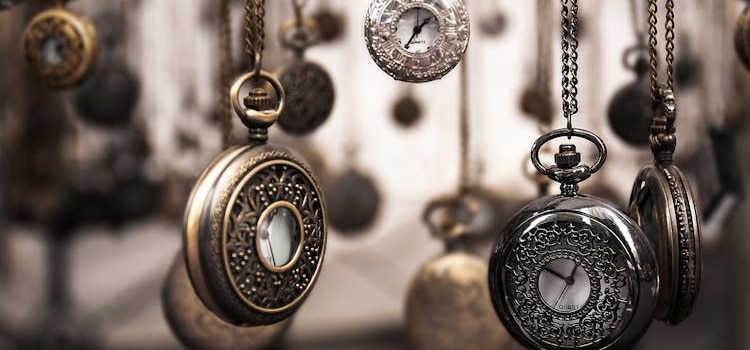
Keep Your Antique Clocks in Perfect Condition During the Move
Antique clocks, such as grandfather clocks, require meticulous handling. Before transport, remove the pendulum and weights to prevent internal damage. Secure all moving parts with foam padding and wrap the clock case in a protective covering. Upon arrival, allow the clock to acclimate to its new environment before reassembling.
Don’t Risk Damaging Antique Paintings—Use These Tips
Fine art and antique paintings are highly sensitive to temperature changes and physical impact. When relocating antique pieces from Basalt to Glenwood Springs, use specialized art crates or rigid cardboard protectors for framed paintings. Ensure paintings are transported vertically and avoid placing heavy objects on top of them. The best solution is to not tackle paintings alone. Instead, hire movers in Gleenwood Springs CO to provide the materials and wrap the paintings properly.
Preserving Antique Books and Documents the Right Way
Old books and documents can deteriorate quickly if exposed to fluctuating humidity levels. Store them in archival-quality boxes and use acid-free tissue paper to separate pages. Keep them away from potential moisture sources and transport them in temperature-stable environments. Besides, opt for bookcases that are water and dust proof.
The Best Way to Pack and Move Antique Rugs Without Damage
Antique rugs and textiles are prone to damage from creases, moisture, and pests. Before moving, vacuum and roll them with acid-free paper to prevent dust accumulation. Avoid folding, as this can cause permanent creases. Store in breathable fabric bags rather than plastic to allow air circulation. Additionally, if the rug is particularly valuable or fragile, consider wrapping it in muslin cloth for an extra layer of protection. If moving long distances, lay the rolled rug flat rather than standing it upright to prevent warping. Finally, once at your destination, unroll the rug carefully and allow it to settle before placing furniture on top.
What to Do After Moving Antique Pieces from Basalt to Glenwood Springs
Arriving safely in Glenwood Springs is only part of the job. How you unpack and settle your antiques into their new environment matters just as much as how you packed them.
Let pieces acclimate before unwrapping.
If your antiques were transported in a climate-controlled vehicle, resist the urge to unwrap everything immediately upon arrival. Bring pieces inside and let them sit — still wrapped — for 30 to 60 minutes to adjust to the temperature and humidity of the new space. This is especially important for wood furniture, which can crack or warp if exposed to a sudden temperature difference after being sealed in packaging.
- Unpack on a clean, padded surface. Clear a rug, moving blanket, or padded surface in each room before unwrapping. Never unpack antiques directly on hard floors or concrete — even setting a wrapped piece down too hard can cause hairline cracks in wood joints or ceramic elements.
- Inspect immediately and document any new damage. As each piece is unwrapped, inspect it against your pre-move photographs. Look for new scratches, chips, loosened joints, or any signs of stress that weren’t there before. If you’re using professional movers, report any damage before the crew leaves — not days later. Most movers require damage to be noted at delivery for a claim to be valid.
- Reassemble in the right sequence. For items that were disassembled — furniture legs, clock pendulums, mirror frames — reassemble from the largest structural elements down to the smallest details. Don’t rush the process and don’t force any joints. If a piece that fit together easily before the move now requires force to reassemble, stop and assess — wood may have shifted slightly during transport and forcing it can split aged joints.
- Allow wood furniture to stabilize before placing it near heat sources. Glenwood Springs homes often run fireplaces and forced-air heating through the colder months. Position antique wood furniture away from direct heat vents and fireplaces for at least the first few weeks after arrival. Give the wood time to stabilize at the humidity level of your new home before it settles into its permanent position.
- Consider a professional condition review for high-value pieces. If you own antiques worth several thousand dollars or more, having a conservator or antique specialist review them after the move is a reasonable precaution — particularly if you noticed any minor concerns during unpacking. Many issues with wood, finish, or structural integrity are far easier and cheaper to address early than after they’ve been left to worsen.
Living In A Temporary Home? Store Antique Pieces In Our Portable Storage
If you’re in between homes or undergoing renovations, keeping your antiques safe is a top priority. Our portable storage containers offer a flexible solution, allowing you to keep your valuable pieces protected until you’re ready to move them into your new space. Each unit is designed to preserve antique wood, fabric, and delicate materials. With easy access and top-tier security, you can rest assured that your cherished belongings are in good hands. Plus, our storage solutions allow you to keep your antiques close by without the risk of damage from constant movement. Whether you need short-term or long-term storage, our units provide the peace of mind you need while living in a temporary home.
Final Thoughts: Ensuring a Safe and Successful Antique Move
Moving antique pieces from Basalt to Glenwood Springs requires patience, expertise, and attention to detail. By investing in proper packing materials, understanding climate challenges, and utilizing professional movers when necessary, you can ensure your antiques remain in pristine condition. Each antique carries a story—preserving its integrity ensures that its legacy continues for generations to come.


Been working with them for our Moves in Aspen and Vail. Great company and great service.
Louis-Philippe Paquin

Frequently Asked Questions
How long does the move from Basalt to Glenwood Springs take?
The drive itself is about 20–30 minutes depending on traffic and road conditions. For a typical antique move, total time from loading to placement in the new home — including careful packing, transport, and unpacking — usually runs 3 to 6 hours depending on the number of pieces and their complexity. Larger collections or pieces requiring custom crating may take longer or benefit from being staged over two days.