

Tips For Relocating Biking Equipment From Carbondale To Aspen
Moving
Storage
Get Your Free Quote
"*" indicates required fields
"*" indicates required fields
Relocating biking equipment from Carbondale to Aspen means covering 30 miles of Highway 82 and climbing about 1,700 feet, from Carbondale at 6,181 ft to Aspen at 7,908 ft. A properly boxed bike fits a 54 x 28 x 8-inch case at 30–40 lbs, ground shipping runs $50–120 per bike, and a shop will pack it for you for $75–125. E-bike batteries over 100 Wh cannot legally ride in a household goods truck and must travel separately.
Relocating biking equipment from Carbondale to Aspen requires careful planning to ensure your gear arrives safely and ready for adventure. With world-class trails waiting, from the Rio Grande Trail to Snowmass Bike Park, it’s essential to protect your bikes, helmets, and accessories during transport. Hiring experienced moving companies in Western Colorado can simplify the process, but knowing the right steps will keep your biking equipment in top shape.
The Challenges of Moving Biking Equipment
Moving biking equipment isn’t as simple as loading a bike onto a truck. Various factors make it a tricky process. Here are some common challenges and how to handle them:
- Fragile components – Bikes have delicate parts like derailleurs and disc brakes that can be damaged in transit.
- Size and shape – Unlike furniture, biking equipment comes in irregular shapes, making it difficult to pack efficiently.
- Security concerns – High-end bikes and gear are valuable and can be a target for theft if not secured properly.
- Weather conditions – Transporting through mountain roads means being prepared for sudden weather changes.
- Storage needs – If you can’t move everything at once, finding storage in Aspen may be necessary.
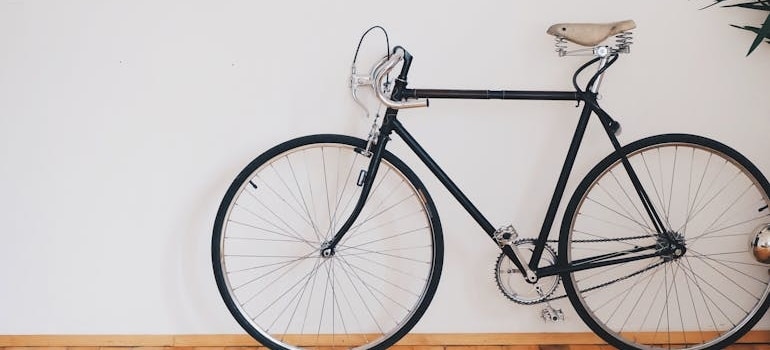
Preparing Biking Equipment for the Move
Preparation is key. Start by cleaning your bikes and accessories. Dirt and grime can cause wear and tear during transport. Next, remove any detachable parts, such as pedals and handlebars, to make packing easier. Deflate tires slightly to avoid pressure damage. Finally, label everything to make reassembly hassle-free once you arrive in Aspen.
Packing Supplies to Use
Having the right packing materials makes a huge difference. To protect your biking equipment, use:
- Bike boxes or cases – Hard cases provide maximum protection, while cardboard bike boxes are a more budget-friendly option.
- Foam padding and bubble wrap – Wrap delicate parts to prevent scratches and impact damage.
- Zip ties and Velcro straps – Secure loose components.
- Packing tape and labels – Ensure nothing shifts during transport.
With the proper supplies, you can make relocating biking equipment a safe and efficient process. However, don’t waste time and spend a lot of money looking for these by yourself. Ask your movers in Avon CO to provide you with some.
Storing Biking Equipment in Aspen
If you arrive in Aspen before your new home or need temporary storage, look for local storage in Aspen. Many facilities offer climate-controlled spaces, which are ideal for protecting bikes from extreme temperatures. Storing biking equipment properly ensures it stays in peak condition, ready for your next ride through Maroon Bells or Hunter Creek trails. How to prepare your bike equipment for storage? Besides deep cleaning and tire deflation, do the following:
- Lube & shield – Apply lubricant to the chain, derailleur, and moving parts to prevent rust. Use frame protectors or wrap delicate areas to guard against dust and moisture.
- Sort & store accessories – Keep helmets, gloves, shoes, and hydration packs in breathable bags. Store tools and spare parts in a labeled container for easy access.
- Smart security measures – If storing in a shared space, use a sturdy lock and consider removing the front wheel to deter theft.
- Revisit & refresh – Check your equipment periodically. Pump the tires, spin the chain, and ensure everything is ready for your next ride.
However, if you need your bike equipment on site, use portable storage containers, and you’ll have your items at hand.
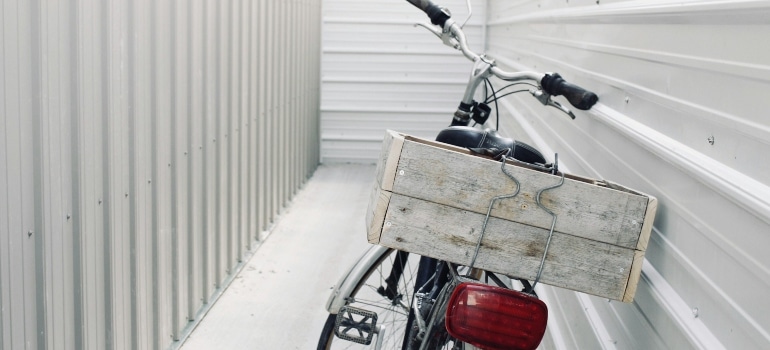
Experiencing Delays? No Problem. Carbondale Storage Comes In Handy
Moving plans don’t always go as expected, but that doesn’t mean your biking equipment has to be at risk. Carbondale storage solutions offer a secure and convenient way to keep your gear safe until you’re ready to transport it. Our storage in Carbondale CO protects your equipment from extreme temperatures, with spacious storage options to accommodate everything from bikes to accessories. Whether you need short-term storage for a few days or a longer solution, a well-maintained facility ensures your equipment stays in top condition. Plus, with easy access, you can retrieve your gear whenever it’s time to hit the trails.
Four ways to get bikes from Carbondale to Aspen
| Option | Typical cost per bike | Time | Best for |
|---|---|---|---|
| Your own car + hitch rack | $0–60 (rack rental) | 40–50 min drive on CO-82 | 1–2 bikes, same-day move |
| Boxed ground shipping (FedEx/UPS/BikeFlights) | $50–120 | 1–3 business days in state | Sending gear ahead of the truck |
| Bike shop packing service, then shipping | $75–125 packing + shipping | Add 1–2 days for shop turnaround | Carbon frames, electronic groupsets |
| Professional movers with the household load | Quoted with the move | Same day as the move | Whole quivers, racks, workbenches, e-bikes* |
*Batteries removed and driven separately — see the e-bike section below.
How much does relocating biking equipment cost?
A single boxed bike travels for $50–120 by FedEx or UPS Ground, and specialist carriers such as BikeFlights or ShipBikes land in the same $60–120 window for ground service. If you would rather not touch a torque wrench, most bike shops in the Roaring Fork Valley will disassemble and box the bike for $75–125. Carrier insurance defaults to about $100 of coverage, so a $6,000 enduro bike needs declared value added — budget roughly $40 for $3,000 of extra coverage.
Moving three or four bikes changes the math. Once you pass two bikes, adding them to a household load with local movers in Colorado usually beats paying per box, because the crew handles the loading, padding and unloading in the same trip.
Bold pull: for a two-bike household, driving them yourself is almost always cheapest. For four or more, put them on the truck.
What is the fastest way to pack a mountain bike?
Twenty to thirty minutes per bike is realistic once you have the box and tools ready. Work in this order:
- Wash and dry the frame — Carbondale trail dust grinds into paint under transit pressure.
- Drop the tire pressure to 15–20 psi — sealed tubeless tires expand as you gain 1,700 feet toward Aspen.
- Remove pedals, both wheels and the seatpost — mark the seatpost height with tape before it moves.
- Rotate the handlebars parallel to the frame — loosen the stem faceplate, never the fork.
- Insert axle spacers in the dropouts — without them the fork legs and rear triangle can crush inward.
- Foam-wrap the derailleur, rotors and shock body — these are the three parts that arrive bent.
- Zip-tie the wheels to the frame with rotors facing inward — then fill every void so nothing shifts.
A standard bike box measures 54 x 28 x 8 inches and weighs 30–40 lbs once loaded, which is the size and weight every carrier quote is built around.
Can movers transport an e-bike battery from Carbondale to Aspen?
No — not the battery. Lithium-ion batteries rated above 100 Wh are excluded from household goods shipments, and most e-bike packs run between 400 Wh and 1,000 Wh. Parcel carriers draw their line at 160 Wh for the standard ground network, above which the pack is Class 9 dangerous goods under UN3480 and needs certified packaging, hazmat marking and a shipping declaration.
What that means for a Carbondale-to-Aspen move is simple:
- Remove the battery and carry it in your own vehicle’s passenger compartment, upright and out of direct sun.
- Charge it to 30–50 percent before travel, not full, and never store it fully depleted.
- Send the bike itself on the truck with the pack out — a bike with no installed battery moves like any other bike.
- Keep it out of storage units unless the facility explicitly allows lithium packs; most do not.
The federal framework behind these limits is published in the Department of Transportation’s guidance on battery transport safety. Tell your crew you have an e-bike at the estimate stage, not on moving day.
How does Aspen’s altitude and climate affect your gear?
Aspen sits at 7,908 feet, roughly 1,700 feet above Carbondale, and that shift shows up in three places. Tire gauge pressure creeps up by close to 1 psi on the drive, which matters if you boxed tires already near their limit. Hydraulic brake lines that spent the trip upside down need a lever pump and often a bleed before the first descent. And suspension sag set in Carbondale reads differently once air spring pressure equalizes — recheck it before riding Sky Mountain Park.
Winter is the bigger issue. Aspen regularly drops below 0°F in January, and cold cycling degrades sealant, dries out fork seals and shortens e-bike battery life. Bikes that will sit through the off-season belong in climate controlled storage rather than an unheated garage — the same reasoning behind dedicated ski gear storage in the valley.
When is the best time of year to move bikes up the valley?
May through October. The Rio Grande Trail runs 42 paved miles from Glenwood Springs to Aspen, but the roughly 7-mile stretch between Hooks Lane in Basalt and Catherine Bridge in Carbondale closes each year from about December 1 to April 30 to protect wintering wildlife, with a signed on-road detour. Snowmass Bike Park opens for lift-served riding in mid-June and closes in early September, so a June move puts you on the mountain the same week you unpack.
Highway 82 also behaves differently by season. Winter storms and chain laws slow the Carbondale-to-Aspen run well past the usual 40–50 minutes, and a truck full of carbon frames is not what you want on an icy shoulder. If your closing date lands in February, stage the gear with movers in Carbondale CO and shuttle the bikes up separately once the road clears.

Moving Biking Equipment Store
Logistics become even more complex if you’re relocating a bike shop or upgrading to a larger space. Transporting inventory, from bikes to repair tools, requires careful planning. When moving biking equipment, pack strategically to prevent damage. Disassemble larger items like bike racks and carefully wrap frames, handlebars, and wheels in protective padding. Use sturdy bike boxes or hard-shell cases for extra security. Secure loose parts in labeled bags and pack helmets, shoes, and accessories separately. For documentation, keep purchase receipts, warranty papers, and insurance details handy in case of loss or damage. If crossing state lines or shipping internationally, check transportation regulations and prepare any required customs forms. Work with professional commercial movers in Colorado who are familiar with biking equipment relocation to minimize downtime and keep your business running smoothly.
Ready to Move? Let’s Get Rolling!
Now that you know the ins and outs of relocating biking equipment, it’s time to take action. Whether you’re moving solo or hiring experts, a solid plan ensures your gear arrives safely. Looking for reliable moving companies in Western Colorado? Rely on Columbine Moving & Storage CO and get ready for your next adventure in Aspen!


Been working with them for our Moves in Aspen and Vail. Great company and great service.
Louis-Philippe Paquin

Frequently Asked Questions
How much does it cost to ship a bike from Carbondale to Aspen?
Ground shipping a boxed bicycle within Colorado costs $50–120 with FedEx or UPS, or $60–120 through a bike-specific carrier like BikeFlights. Adding professional packing at a bike shop costs another $75–125. Because Carbondale and Aspen are only 30 miles apart on Highway 82, driving the bike yourself or adding it to a moving truck is usually cheaper than shipping.