

How To Avoid Injuries When Storing Your Items
Moving
Storage
Get Your Free Quote
"*" indicates required fields
"*" indicates required fields
To avoid injuries when storing items, keep every box under 40 pounds, lift no more than about 50 pounds at a time even in ideal conditions, and never stack storage more than four feet high without shelving. NIOSH sets 51 pounds as the maximum safe two-handed lift under perfect conditions — and that limit drops to roughly 16 pounds once you add repetition, floor-level pickups, and twisting, which is exactly what loading a storage unit involves. At Aspen and Vail elevations, near 8,000 feet, the same work tires you faster and dehydrates you sooner than it would at sea level.
Storing your belongings might sound like a simple task, but it’s surprisingly easy to get hurt in the process. Whether you’re relocating, downsizing, or just organizing a cluttered garage, knowing how to avoid injuries when storing items is essential. Lifting heavy boxes, squeezing into tight spaces, or climbing unsteady ladders can lead to strains, sprains, or worse. The good news? With the right approach, tools, and professional moving and storage companies such as Columbine Moving & Storage CO, you can protect yourself while storing your things efficiently and safely.
How Much Weight Belongs in Each Container
| Container or item | Target weight | How to move it | Common mistake |
|---|---|---|---|
| Small box (1.5 cu ft) | Under 40 lb — books, tools, canned goods | Carry, two hands, close to the body | Filling a large box with books instead |
| Medium box (3 cu ft) | 30–40 lb — kitchen, linens, files | Carry or hand truck | Overpacking to save on box count |
| Large box (4.5 cu ft) | Under 30 lb — bedding, pillows, lampshades | Carry with clear sight lines | Using it for anything dense |
| Washer or dryer | 150–200 lb | Appliance dolly with a strap, two people | Walking it across a floor |
| Full-size refrigerator | 250–350 lb | Appliance dolly, two people, doors removed | Tipping it flat |
| Sleeper sofa | 250–350 lb | Four-wheel dolly plus sliders, two people | Lifting by the frame arms |
| Upright piano | 400–800 lb | Professional crew, piano board | Any attempt with friends |
| Gun safe | 500–1,000 lb | Professional crew with equipment | Ramps and hope |
Storing Items Is Physically Demanding
People often overlook how physically demanding storage tasks can be, especially when relocating in the CO mountain region. From awkward furniture to stacked containers, there are many potential hazards if you’re not careful. By learning proper lifting techniques, using modern storage solutions like portable storage or climate controlled storage in Eagle CO, and planning your layout in advance, you can keep yourself injury-free and stress-free.

Why Storage-Related Injuries Happen More Often Than You Think
We don’t usually associate injury risks with cleaning out an attic or loading a unit. Yet, storing items often means bending, twisting, overreaching, and hauling objects of all shapes and sizes. Injuries frequently occur when people underestimate the task and rush to get it done without the right precautions.
One common culprit? Poor lifting technique. Trying to pick up a box using your back instead of your legs can result in back pain or even a herniated disc. Add stairs, dim lighting, or uneven ground into the mix, and the risk increases. This is especially true when using traditional storage units located far from your home. That’s why portable storage has become such a game-changer—it brings the storage to you, reducing travel and lifting risks.
Another overlooked cause of injuries is disorganization. When you cram items into a space without a clear plan, you may end up needing to shuffle everything around later, leading to repeated lifting and twisting. Or worse, something could fall on you. Planning your storage setup ahead of time minimizes the chance of such accidents.
Use the Right Tools and Storage Solutions
To really avoid injuries when storing items, think about your equipment as much as your technique. Tools like dollies, furniture sliders, gloves, and back braces can take pressure off your body. However, storage solutions themselves also make a big difference.
If you’re planning a move or seasonal cleanout, a moving shuttle service can eliminate the need for multiple trips or risky loading docks. These shuttles can bridge the gap between your home and a large moving truck or storage facility, reducing how far you have to carry items.
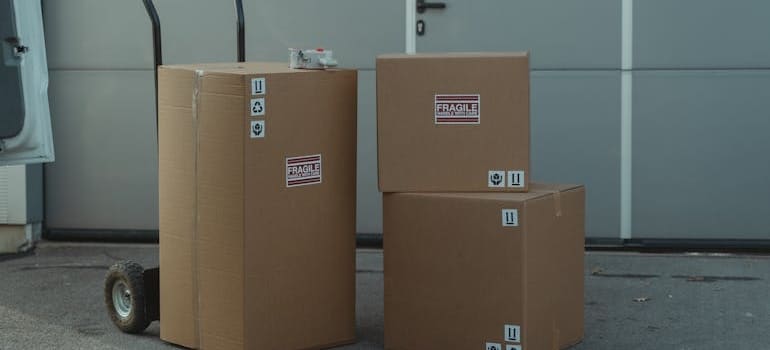
Climate-controlled Storage is Always a Good Option
Meanwhile, climate-controlled storage not only protects your belongings but also helps protect you. These units are well-lit, temperature-regulated, and often have flat, smooth flooring. You’re less likely to slip on a slick surface or suffer from extreme heat while lifting boxes. Hot weather, after all, leads to faster fatigue, dehydration, and careless mistakes. And if you need a climate-controlled unit, you can opt for a climate controlled storage Aspen CO companies offer.
How Heavy Is Too Heavy to Lift by Yourself?
There is an actual answer to this, and it is lower than most people assume. NIOSH — the federal research institute behind US ergonomics guidance — sets a load constant of 51 pounds as the most a healthy adult should lift two-handed under ideal conditions: load held close to the body, at waist height, no twisting, one lift.
Storage loading is the opposite of ideal conditions. Boxes come off the floor, go above shoulder height, get carried across gravel, and repeat every ninety seconds for three hours. Once the equation accounts for that, the recommended limit for a repetitive floor-to-shelf lift can fall to around 16 pounds. That is the gap that hurts people: they lift 45 pounds because they can lift 45 pounds once, then do it eighty times.
Two practical rules follow. Pack to 40 pounds maximum per box regardless of box size, and cut that in half for anything you will lift repeatedly from the floor.
Why Does Loading Storage Feel Harder at 8,000 Feet?
This is the part no national moving guide covers, and it matters for anyone storing items in the Roaring Fork or Eagle Valley. Aspen sits at roughly 7,900 feet, Vail near 8,150, Snowmass around 8,200, and Breckenridge close to 9,600. The CDC advises limiting strenuous exertion for the first 48 hours above 8,000 feet, and altitude increases respiratory water loss, which means you dehydrate faster while doing the same work.
For a move or a storage day, that translates into three concrete adjustments:
- If you have just arrived from a lower elevation, do not load on day one. Schedule the physical work for day three, or hire the loading out.
- Drink water on a schedule, not on thirst — thirst lags behind fluid loss at elevation.
- Build in a ten-minute break every hour. Fatigue is where technique degrades, and degraded technique is where backs go.
Anyone over 50, pregnant, or managing a heart or lung condition should treat a full loading day at these elevations as a genuine exertion event, not a chore. The CDC’s guidance on exertion and acclimatization at high elevations is worth reading before a mountain move.
How Should You Load a Storage Container to Stay Safe Later?
Most storage injuries do not happen on loading day. They happen three months later, when someone reaches into a wall of boxes for one specific item and pulls a shelf of weight down on themselves.
- Heaviest on the floor, always. Furniture, appliances, and dense boxes go down first, along the walls.
- Cap stacks at four feet without shelving. Above chest height you cannot control a load you are lifting down, and you cannot see behind it.
- Leave a 24-inch aisle down the center. It costs a little space and saves you from unloading half the container to reach one thing.
- Label the side of every box, not the top. Stacked boxes hide their tops, which is why people restack instead of reading.
- Put the “will need soon” items at the door. Holiday decorations, tax files, ski gear, baby equipment.
- Never stack anything above head height in a portable container. Contents shift slightly in transit even with a level-lift system, and an overhead box that shifted is an overhead box that falls when you open the doors.
A 12’x8’x8′ or 16’x8’x8′ portable container loaded this way stays walkable for the whole rental period, which is the difference between retrieving one item safely and dismantling the whole load.
What Equipment Actually Prevents Injuries?
Technique fails when you are tired. Equipment does not.
- Appliance dolly with a ratchet strap for anything tall and heavy. The strap is what stops the mid-stair slide.
- Four-wheel furniture dolly for dressers, safes, and sofas across flat ground.
- Furniture sliders for moving heavy pieces across floors without lifting at all. The cheapest injury prevention available.
- Forearm lifting straps for two-person carries, which shift load off the lower back.
- Work gloves with grip and closed-toe boots with tread — dropped items and gravel are the two most common causes of foot and hand injuries on a storage day.
Skip the back brace as a substitute for technique. It can help remind you to keep your spine neutral, but it does not add lifting capacity and it encourages people to attempt loads they should not.
What Should You Never Lift Yourself?
Pianos, gun safes, slate pool tables, granite or marble tabletops, full-size appliances, and anything mounted to a wall or floor. Each of these either exceeds safe manual limits outright or has a center of gravity that shifts unpredictably mid-lift.
Same category for two situations rather than objects: stairs with a turn, and any load carried over ice or gravel. Columbine’s crews use a moving shuttle precisely for the properties where a truck cannot reach the door, which is the scenario that produces the most improvised, dangerous carries in mountain communities.
Winter Loading Hazards in Colorado
Between November and April the risk profile changes entirely.
- Ice on the approach. Salt or sand the path between the door and the container before the first box moves, not after someone slips.
- The step up into a container. Container floors sit off the ground; with snow boots and a box blocking your view, that step is the most common trip point of the day.
- Cold hands lose grip. Gloves with tread, and short shifts rather than one long push.
- Meltwater inside. Snow tracked in on boots becomes standing water under a pallet. Load onto pallets or plastic sheeting, not straight onto the floor.
Tips to Avoid Injuries When Storing Items
Preventing injuries isn’t complicated—it just takes a bit of preparation and mindfulness. Here’s a quick guide to help you stay safe:
- Lift with your legs, not your back: Always squat and keep your spine straight. Don’t twist while lifting.
- Know your limits: Don’t try to move heavy items alone. Ask for help or use a dolly.
- Label everything: Knowing what’s inside each box reduces the need to open and move multiple containers unnecessarily.
- Stack strategically: Place heavier items on the bottom and lighter ones on top to avoid tipping.
- Wear the right gear: Moving gear, such as closed-toe shoes with good grip, gloves, and even a back brace, can make a big difference.
- Make paths clear: Always leave space to move safely within the storage area.
- Choose smart solutions: Opt for portable storage or climate-controlled storage to minimize physical strain and increase safety.
These steps may seem simple, but they’re incredibly effective when practiced consistently. Your body will thank you later.
You Don’t Have to Do It Alone
Don’t be afraid to ask for help—whether it’s from friends, family, or professional movers. Too often, people injure themselves simply because they were too proud or rushed to wait for assistance. Splitting up tasks and taking breaks not only reduces the risk of injury but also makes the experience more manageable and even enjoyable. Working with experienced movers who understand how to handle items properly can be a smart investment. Many moving companies offer storage-related services and can even help you load portable storage units safely. They bring tools, training, and a team that can handle the heavy lifting for you. Storing items isn’t just about saving space—it’s also about protecting your home, your belongings, and most importantly, yourself.
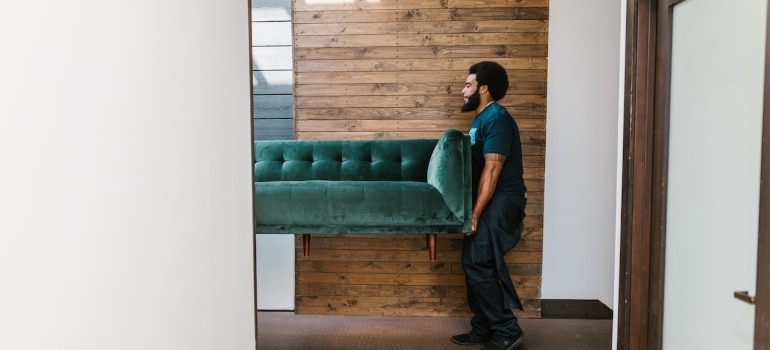
Sum Up: Avoid Injuries When Storing Items
The key to success is preparation. If you plan ahead, choose the right tools, and lean into modern solutions like climate-controlled storage, moving shuttles, and portable storage, you can easily avoid injuries when storing items. Remember: rushing leads to mistakes. Taking your time, lifting properly, and setting up your space efficiently is the best way to stay injury-free. So, whether you’re tackling a spring clean, moving to a new home, or simply reorganizing your basement, safety should always come first. By following these tips and investing in smart storage solutions, you’ll avoid injuries when storing items and protect not just your stuff, but your health and peace of mind too


Been working with them for our Moves in Aspen and Vail. Great company and great service.
Louis-Philippe Paquin

Frequently Asked Questions
How much should a moving box weigh?
Keep every box under 40 pounds regardless of its size, and under 30 pounds for large boxes. Pack books, tools, and canned goods in small 1.5-cubic-foot boxes and lightweight bulk like bedding and pillows in large ones. The rule is inverse to what feels natural: the bigger the box, the lighter its contents should be.