

Understanding Freight Inspection in Colorado When Relocating
Moving
Storage
Get Your Free Quote
"*" indicates required fields
"*" indicates required fields
Freight inspection in Colorado happens at two separate checkpoints: Colorado State Patrol officers screening commercial vehicles at ten fixed ports of entry, and condition inspections of the cargo itself at pickup, at delivery, and during warehousing. Visible damage has to be written onto the bill of lading before the driver leaves — a clean signature hands the carrier a presumption that the shipment arrived intact. For interstate shipments, a carrier cannot require a cargo claim to be filed in less than 9 months from delivery, must acknowledge it in writing within 30 days, and must pay, decline, or make a firm settlement offer within 120 days.
In Colorado, freight inspection is essential to both regulatory compliance and transportation safety. To guarantee seamless operations, stay out of trouble, and preserve the integrity of the supply chain, shippers and carriers must be aware of the complexities of freight inspection procedures. Namely, when your freight gets damaged, it can cause serious problems. Freight inspection plays a crucial role in mitigating such risks, ensuring the integrity of products, and safeguarding your reputation and customer satisfaction. This thorough manual explores the many facets of freight inspection in Colorado and provides information that shippers and carriers should be aware of. And who better to do the freight inspection than Columbine Moving & Storage CO?
Freight inspection checkpoints in Colorado: who checks what, and when
| Checkpoint | Who performs it | What is checked | Document produced | Deadline |
|---|---|---|---|---|
| Port of entry | Colorado State Patrol POE officers | Weight, size, permits, registration, driver credentials | POE clearance or citation | Out-of-service order issued on the spot |
| Pre-shipment, at origin | Shipper or third-party inspector | Piece count, packaging, pre-existing damage | Inspection report with photos | Before the trailer is loaded |
| Delivery or receiving | Consignee together with the driver | Visible damage, missing pieces, crushed crates | Exception noted on the bill of lading | Before signing, same day |
| Concealed damage, after unpacking | Consignee, ideally with a third-party inspector | Internal breakage, moisture, contamination | Written damage report with photos | Window stated on the bill of lading |
| Warehouse storage | Warehouse staff | Moisture, pests, packaging failure, temperature | Condition log entry | Recurring while in storage |
| Interstate cargo claim | Shipper or consignee | Documented loss or damage value | Written claim to the carrier | Minimum 9 months from delivery |
What Does Freight Inspection in Colorado Cover?
The phrase covers two things that get confused constantly, and only one of them protects your belongings.
The first is regulatory. The Colorado State Patrol runs ten fixed ports of entry — Cortez, Dumont, Fort Collins, Fort Morgan, Lamar, Limon, Loma, Monument, Platteville, and Trinidad — positioned on the corridors carriers actually use, including I-70 and I-25. Any commercial vehicle over 16,000 pounds empty weight, or over 26,000 pounds gross vehicle weight rating, is required to clear one. Officers there verify weight, dimensions, permits, registration, and driver credentials. They do not open the trailer to see whether your dining table survived Vail Pass.
The second is cargo condition inspection, and that is the one that decides whether a damage claim succeeds. It is a documented comparison of what was loaded against what arrived, performed at origin, at delivery, or during warehousing. Columbine Moving & Storage CO handles this side of freight inspection in Colorado as part of its freight inspection service for designers, retailers, and homeowners across the Roaring Fork and Eagle valleys.
The Importance of Freight Inspection
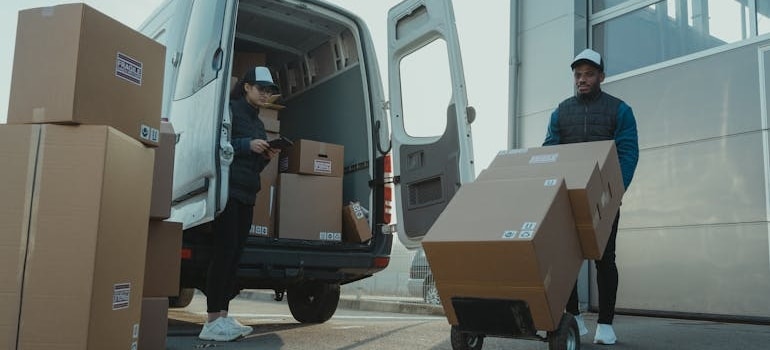
Thorough freight inspections must be carried out after moving goods, whether locally or nationally. By identifying potential damage during transit, these inspections help guarantee that goods arrive in the desired condition. Businesses can preserve client trust and prevent future disputes by swiftly resolving any issues. All in all, freight examination reduces returns and improves client satisfaction.
Industries That Rely on Freight Inspection In Colorado
Several industries depend heavily on freight inspection to maintain their operations and uphold quality standards:
- Manufacturing and distribution: Ensuring that components and finished products are free from defects is crucial for maintaining production schedules and product quality.
- Retail and E-commerce: With high volumes of goods moving rapidly, inspections help prevent the sale of damaged or substandard products, protecting brand reputation.
- Logistics and transportation: Freight inspections are integral to verifying that cargo is handled correctly throughout the shipping process, reducing liability and ensuring compliance with regulations.
- Freight forwarding: As intermediaries in the shipping process, freight forwarders rely on inspections to confirm that goods meet the required standards before reaching their final destination.
Hiring A Third-Party Freight Examination
A third-party freight inspection involves an independent organization assessing your goods to verify their condition, compliance, and quality. Unlike internal inspections, third-party assessments provide an unbiased evaluation, ensuring that products meet specified standards before reaching the end customer. These inspections can occur at various stages, including pre-shipment, during transit, upon arrival, or during warehousing.
How Do You Note Freight Damage on the Bill of Lading?
The bill of lading is the contract of carriage and the evidence file at the same time. Sign it clean and you have handed the carrier a legal presumption that the shipment was delivered in good order.
Before signing, walk the shipment with the driver and count pieces against the manifest. If something is wrong, write the exception in specific language: “crate 4 of 9, corner crushed, 6-inch tear in shrink wrap” carries weight. “Subject to inspection” carries almost none — carriers routinely reject it as too vague to support a claim.
Three habits decide most disputes:
- Photograph the freight while it is still on the truck, including the seal and the trailer number.
- Write the exception on the delivery receipt the driver keeps, not only on your copy.
- Get the driver’s signature next to the notation and keep a legible copy.
Damage discovered later, after crates are opened, is concealed damage. It is claimable, but the burden shifts to you — which is why receiving into a monitored facility matters. Shipments routed through our Colorado receiving warehouse are inspected and photographed on arrival, so the record exists before the item ever reaches the residence.
When to Consider Third-Party Freight Inspection
Determining the optimal time to engage a third-party freight inspection service depends on several factors:
- Pre-shipment verification – Before goods leave the supplier, a pre-shipment inspection ensures that products meet quality standards and specifications. This step is crucial for identifying defects early, reducing the risk of costly returns or customer dissatisfaction.
- Upon arrival at destination – Inspecting freight upon arrival helps detect any damage incurred during transit. This is particularly important for high-value or sensitive items, where immediate assessment can facilitate prompt claims and corrective actions.
- During warehousing – While in storage, periodic inspections can identify issues such as moisture damage, contamination, or packaging failures. Regular assessments while warehousing in Aspen CO ensure that products remain in optimal condition until distribution.
- Post-delivery feedback – In cases where customers report issues, a third-party inspection can objectively assess the situation, helping resolve disputes and maintain trust.

Why Use These Services
Engaging an independent inspection service offers numerous advantages:
- Unbiased assessment – Third-party inspectors provide impartial evaluations, free from internal biases. This objectivity ensures accurate reporting and helps maintain transparency with stakeholders.
- Expertise and specialization – Third-party freight inspections are designed to detect a wide range of issues, including physical damage like scratches, cracks, and dents, as well as water and moisture damage, contamination, temperature-related problems, packaging failures, and signs of improper handling.
- Compliance and risk management – Third-party inspections help ensure compliance with industry regulations and standards. By identifying potential issues early, businesses can mitigate risks, avoid penalties, and maintain their reputation.
- Cost efficiency – While there is an upfront cost, third-party inspections can save money in the long run by preventing defective products from reaching customers, reducing returns, and avoiding potential legal issues.
How To Choose The Right Inspection
When selecting a third-party inspection provider, it’s important to evaluate several key factors to ensure you’re partnering with the right team. Start by checking their experience and expertise—a reliable provider should have a solid background in your specific industry and understand the unique challenges it presents. You’ll also want to make sure they offer comprehensive services, including pre-shipment, in-transit, and warehousing inspections.
Additionally, pay close attention to their reporting and communication practices; clear, detailed reports and prompt updates are essential for making informed decisions. Finally, if you operate across borders, consider a provider with a strong global reach to ensure consistent inspection standards and coverage worldwide.
How Long Do You Have to File a Freight Damage Claim?
The deadlines are fixed by regulation, and they differ depending on whether the shipment crossed a state line.
Interstate shipments fall under 49 CFR Part 370. A carrier cannot require a claim to be filed in less than 9 months from the delivery date, or from the date delivery should have happened for a lost shipment. Once you file, the carrier must acknowledge receipt in writing within 30 days and identify any documents it still needs. Within 120 days it must pay, decline, or make a firm written settlement offer. If it cannot resolve the claim in that window, it owes you a written status update every 60 days. The 9-month figure is a floor, not the deadline — the binding date is whatever the bill of lading says, and it must meet or exceed that floor.
Intrastate moves inside Colorado are regulated by the Public Utilities Commission under 4 CCR 723-6. Every permitted mover must present two valuation options in the written contract, each accepted or rejected separately:
- Released Value — free, and pays the lesser of $0.60 per pound per lost or damaged article or the depreciated value of that article. A 100-pound dresser pays out $60.
- Full Replacement Cost — requires you to declare a value for the shipment and covers replacement up to that declared amount.
Colorado movers must also carry at least $10,000 in cargo liability coverage and display their permit number in every advertisement, in the format “CO PUC Mover Permit No. HHG-XXXXX”. If a dispute over charges or damaged goods cannot be settled, the mover is required to offer binding arbitration under § 40-10.1-507, C.R.S. The PUC consumer line for questions about your rights is 303-894-2070. The full text of the federal claim-processing requirements is published in Part 370 of the Code of Federal Regulations, and Colorado’s mover requirements are set out on the state commission’s consumer page.
What Columbine Moving & Storage CO Checks at Its Aspen Warehouse
Freight arriving at the Columbine facility at 411 Aspen Airport Business Center, Aspen, CO 81611 goes through the same sequence every time:
- Count every piece against the bill of lading and flag shortages before the driver leaves.
- Photograph cartons, crates, and pallets as received, including any damaged packaging.
- Uncrate and deblanket the item to expose finishes, glass, stone, and upholstery.
- Record scratches, chips, moisture staining, and hardware damage in a written condition report.
- Hold any damaged piece intact and unrepaired, since carriers can demand to inspect it.
- Store cleared items in climate controlled storage until the site is ready.
- Deliver on schedule through white glove delivery, with a second condition check at the residence.
That last step matters in the mountains. An item can clear inspection in Aspen and still take damage on a narrow Snowmass driveway or a Vail stair turn, so the condition record is re-verified at the door rather than assumed.
Final Thoughts
Freight inspection is a vital component in the logistics and supply chain industry, particularly after moving and within warehousing operations. By implementing thorough inspection processes, businesses across various industries can ensure product integrity, maintain customer satisfaction, and uphold their reputations in the market.

Ensure Your Freight’s Integrity with Expert Inspections from Columbine Moving & Storage CO
Need a reliable partner to protect your freight every step of the way? Trust Columbine Moving & Storage CO for expert third-party freight inspection In Colorado tailored to your industry needs. Whether you’re storing goods in our Aspen, CO, warehouse or receiving high-value shipments across Colorado, our team ensures everything arrives just the way it should—undamaged, compliant, and ready for the next step. With a sharp eye for detail and extensive experience in logistics and warehousing, we’re here to help you prevent costly issues before they arise. Ready to take the stress out of freight handling and avoid common pitfalls in freight receiving? Reach out to Columbine Moving & Storage CO and let us take care of the heavy lifting.


Been working with them for our Moves in Aspen and Vail. Great company and great service.
Louis-Philippe Paquin

Frequently Asked Questions
Is freight inspection in Colorado required by law?
Partly. Commercial vehicles over 16,000 pounds empty weight or over 26,000 pounds GVWR must clear a Colorado port of entry, where the Colorado State Patrol checks weight, permits, and credentials. Inspection of the cargo's condition is not mandated by statute, but noting damage on the bill of lading at delivery is what makes a later claim provable, so in practice it is not optional.