

Using Storage to Minimize Business Move Downtime
Moving
Storage
Get Your Free Quote
"*" indicates required fields
"*" indicates required fields
Using storage to minimize business move downtime means splitting a relocation into phases instead of shutting the doors for a weekend: non-essential furniture, archives, and overflow inventory move out first into a container or warehouse, and only the working core moves on cutover day.
Relocating a business can feel like trying to rebuild a plane mid-flight—you want everything to keep running smoothly while major changes happen behind the scenes. One of the most effective strategies for maintaining workflow and protecting your assets is using storage to minimize business move downtime. Whether you’re upgrading office space, opening a second location, or reorganizing an existing layout, the right storage solution can keep your operations from grinding to a halt. And if you opt for professional storage, Columbine Moving & Storage CO is at your disposal.
Which Storage Option Fits Which Business Asset
| What you’re moving | Where it should go | Typical duration | Why |
|---|---|---|---|
| Desks, chairs, conference furniture, décor | 12′ or 16′ portable container on-site | 2–8 weeks | Loads at the loading dock or parking space; no truck rental, no interim trip |
| Overflow or seasonal inventory | Columbine warehousing, Aspen or Eagle | 1–6 months | Computerized inventory tracking and 24/7 retrieval; you keep selling while you move |
| Paper records, client files, certifications | Climate-controlled storage | Duration of the move plus retention period | Heat and humidity swings destroy paper and adhesive labels |
| Servers, network gear, monitors, AV | Climate-controlled, moved last | 24–72 hours | Freezing overnight temperatures at elevation damage electronics even in summer |
| Artwork, wine, instruments, showroom pieces | Climate-controlled with receiving and inspection | Variable | Items are photographed and condition-logged at intake |
| Tools, materials, contractor equipment | Warehouse bay or 16′ container | Between projects | Oversized and heavy items are handled at the facility |
Storage Indeed Minimizes Downtime
Downtime during a move doesn’t just cost time—it often leads to lost revenue, frustrated clients, and overworked employees. That’s why business owners are turning to smart, flexible storage solutions to bridge the gap between locations, timelines, and logistics. So, how to choose the right storage for your business needs? From portable storage for commercial relocation to climate-controlled business storage, there are options that make transition smoother, safer, and more strategic.

Why Businesses Rely on Storage During Relocation
When moving an office or storefront, one of the biggest pain points is coordination. Furniture, technology, inventory, and records can’t all be shifted in a single day. This is where using storage to minimize business move downtime really shines. By spreading the move across manageable phases and storing items temporarily, you free your team from the chaos of packing and unpacking all at once.
Portable storage for commercial relocation is especially helpful for staggered moves. You can load equipment or stock on your schedule and keep the unit on-site until it’s time for final placement. This avoids having to rent a truck, hire movers for a rushed job, or scramble for last-minute storage. It’s flexibility with a focus on efficiency.
Even creative professionals are catching on. Interior designers benefit from using storage, for example, often store furnishings, art pieces, and accessories in temporary units while coordinating renovations or staging offices. Their timelines may not align perfectly with business hours or client deadlines, so having a storage buffer is a game-changer.
Best Storage Solutions for Different Business Needs
When choosing a storage option, it’s important to match the type of unit to your business’s specific requirements. Some industries need basic space to hold desks and chairs; others require carefully monitored environments for sensitive equipment or documents. Here’s where specialized options like climate-controlled business storage come in handy. These units regulate temperature and humidity, protecting items like electronics, medical equipment, artwork, and archival materials. Think about any business that stores customer records or industry certifications—those paper files are vulnerable to heat and moisture. Storing them in a standard unit can result in irreversible damage. Climate controlled storage keeps everything intact and secure, even during extreme weather.
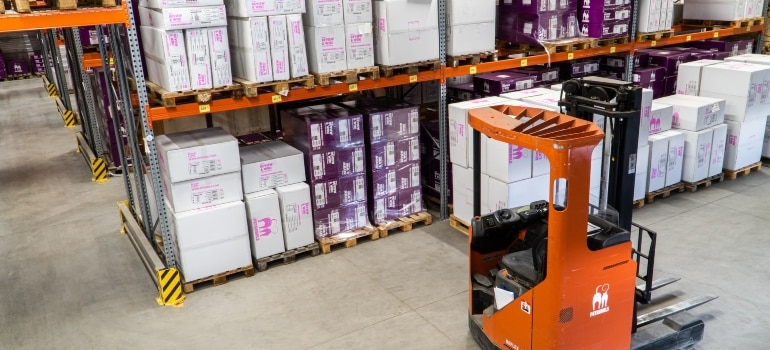
Using Storage to Minimize Business Move Downtime: How to
Now, if you’re wondering when and how to start using storage effectively, consider the following simple but powerful steps:
- Plan ahead and identify items that can be packed up early
- Label everything and keep an inventory sheet to track stored assets
- Use portable storage for access on your terms, not someone else’s schedule
- Choose climate-controlled units for valuable or temperature-sensitive items
- Schedule loading/unloading during non-peak hours to avoid workflow disruption
All of these strategies contribute directly to using storage to minimize business move downtime—the ultimate goal for any efficient relocation.
Who Benefits Most from Business Storage Solutions?
You don’t have to be a big company to see the value in storage. Small businesses and independent contractors often benefit the most because every hour lost is felt more deeply. For example, a local IT provider may need to relocate servers and cables while continuing to provide support to clients. Having flexible business move storage options allows them to shift pieces of the setup without losing service continuity.
Retailers also use storage to stockpile seasonal items or to prepare for grand openings. They can set up their storefronts slowly while the majority of their stock waits safely in portable units. This makes the opening day feel less rushed and more polished. And for anyone dealing with confidential documents, climate-controlled business storage is a must. Law firms, medical offices, and consultancies can’t afford the risks of mold or heat damage. They rely on these units not only for temporary moves but also for long-term record keeping.

What Does Downtime Actually Cost Your Business?
Work it out before you plan the move, because the number decides how much storage is worth. Take your average revenue per working hour, multiply by the hours you expect to be non-operational, then add the staff hours spent packing instead of working.
A 12-person professional services office billing an average of $95 per hour per person loses roughly $11,400 for every working day the office is dark. Two days of shutdown plus two half-days of staff packing runs past $30,000. Against that, a 16′ container at $200 per month and a month of warehousing for the archive is a rounding error — which is the whole argument for using storage to minimize business move downtime rather than doing everything on one frantic weekend.
Retail and hospitality math is different but points the same direction: a shop that closes during a peak Aspen week loses a slice of annual revenue it cannot recover in the shoulder season.
How Do You Phase an Office Move So You Never Close?
The pattern below is what Columbine’s commercial crews see work most often. Adjust the calendar to your lease dates, not the other way around.
| Phase | Timing | What moves | Operational impact |
|---|---|---|---|
| 1. Purge and archive | 4–6 weeks out | Dead files, obsolete equipment, unused furniture | None — nobody misses it |
| 2. Container on-site | 3–4 weeks out | Non-daily furniture, spare stock, décor, marketing materials | None — loaded after hours |
| 3. Department by department | 2 weeks out | One team at a time relocates and reconnects | One team offline for half a day |
| 4. Cutover | Moving day | Servers, working files, front-desk setup | Half a day to one day |
| 5. Return from storage | 1–3 weeks after | Furniture and stock come back out of the container | None — delivered to the new address |
The part most businesses skip is phase 1. Purging before you pay to move anything is the cheapest hour in the entire project.
How Much Does Business Move Storage Cost in Colorado?
Portable container pricing at Columbine Moving & Storage is fixed and published: a 12’x8’x8′ unit is $150 per month on your property or $225 per month stored at the facility, and a 16’x8’x8′ unit is $200 or $300 per month. A typical office relocation uses one or two containers for six to ten weeks, so the storage line item usually lands between $300 and $1,200.
Warehousing is quoted per project because it depends on volume, handling, and access frequency, and it includes intake photography, computerized inventory, and around-the-clock retrieval. For anything that has to stay sellable or auditable during the move — stock, records, equipment inventories — that tracking is the reason to choose warehousing over a container.
Call the Aspen office at 970-925-2201 or the Eagle Valley office at 970-328-2008 with your square footage and headcount for a figure on your specific move.
Moving Servers, Records, and IT Without Losing a Day
Technology is the one category that cannot be phased casually, because when it is offline, so is everyone.
- Move it last and reconnect it first. Servers, switches, and phones leave the old site after everything else and go straight into the new one — never into a container overnight.
- Confirm circuits before the move, not after. Internet installation at a new commercial address in Eagle or Garfield County can take two to four weeks to schedule. This is the most common cause of a one-day move becoming a one-week outage.
- Never store electronics in an unheated container. Valley elevations produce freezing overnight lows well outside the summer months; climate-controlled storage is the right place for anything with a circuit board.
- Photograph every cable run before disconnecting. Columbine’s warehousing intake does the same thing with stored goods, and for the same reason: reassembly is faster when there is a record.
What Should Mountain Businesses Plan Around?
Relocating a business in the Roaring Fork Valley or Eagle County is not the same as relocating one in Denver.
- Move in the shoulder season. Mid-April through May and October into mid-November are the quiet windows in Aspen, Snowmass, Vail, and Glenwood Springs. Revenue lost during those weeks is a fraction of what a December or July move costs.
- Book container delivery early in winter. Snow and ice in Pitkin, Eagle, and Garfield counties affect scheduling between November and April, and commercial parking spots for a container are scarcer once snow stacks are in place.
- Check the loading dock, not the floor plan. Older commercial buildings in Aspen and downtown Glenwood Springs have narrow alley access and restricted delivery hours. Confirm both before you sign a lease.
- Stage materials nearby rather than on site. Contractors and retailers preparing a new location often keep fixtures and stock at a valley warehouse and pull them in as build-out allows, which avoids paying for storage twice and keeps an active job site clear.
Businesses relocating the whole operation at once should be talking to commercial movers in Colorado at the same time they book storage, since the two schedules have to be built together.
The Admin That Quietly Causes Downtime
A move can be logistically flawless and still cost you a week of misrouted deliveries and invoices. Handle these in parallel with the physical move:
- File the address change with the state. Colorado entities update their principal office address through a Statement of Change with a $10 filing fee, processed online, usually the same day. Details are on the Colorado Secretary of State’s business filing instructions.
- Notify the IRS with Form 8822-B if your business has an EIN.
- Update your Google Business Profile the day you open, not the day you pack — listings that change too early lose foot traffic while the old location is still trading.
- Redirect mail and standing deliveries, and give suppliers the new dock hours.
- Update the address on invoices, contracts, insurance, and licenses.
Making the Move with Confidence: Using Storage to Minimize Business Move Downtime
If you’ve been dreading an office move or postponing upgrades due to logistics, it may be time to rethink your approach. The right storage solution, such as portable storage, offers more than just space—it provides control, security, and peace of mind during what could otherwise be a very disruptive period.
The best part? You can scale it to your needs. Maybe it’s one portable container or a dozen. Maybe it’s two weeks of climate-controlled space or a six-month rental. Maybe you need warehousing solutions. Whatever the case, you’re not locked into rigid contracts or timelines. It’s your move—on your terms. Remember, using storage to minimize business move downtime isn’t just a convenient trick; it’s a smart business strategy. It keeps employees focused, clients happy, and your business running—even when the walls are coming down and being rebuilt somewhere else.
So the next time your business is preparing to move, don’t rush, stress, or guess your way through it. Consider how flexible business move storage options, like portable and climate-controlled units, can help you keep everything under control. From tech startups to interior designers, this modern moving method is changing how companies stay productive during transitions. Using storage to minimize business move downtime helps you turn a potential setback into an opportunity for efficiency—and that’s a competitive edge every business can use.


Been working with them for our Moves in Aspen and Vail. Great company and great service.
Louis-Philippe Paquin

Frequently Asked Questions
How long does an office move take with storage?
Phased office relocations for 10 to 25 employees typically run four to six weeks from first purge to final unpack, with only half a day to one full day of actual downtime. Without storage, the same move is usually compressed into a weekend shutdown that spills into Monday and Tuesday. The calendar is longer with storage; the closed hours are far shorter.