

Why Seniors Prefer Portable Storage When Relocating
Moving
Storage
Get Your Free Quote
"*" indicates required fields
"*" indicates required fields
Seniors prefer portable storage when relocating because the container is delivered to the driveway, loaded at ground level with no ramp or truck rental, and can sit there for weeks while decisions get made. Most downsizing moves from a three-bedroom home to an apartment or assisted living unit take four to six weeks of gradual sorting, not a single moving day.
Relocating can be a stressful and overwhelming process, especially for seniors. For many older adults, downsizing or moving to a new home involves not just packing belongings but also dealing with physical limitations and emotional attachments. It’s no surprise that seniors prefer portable storage solutions to ease this transition. Mobile storage offers flexibility, convenience, and peace of mind, making it a top choice for seniors who want to move at their own pace without the added pressure of rigid timelines or multiple trips.
Portable Storage Container Sizes and Prices for a Senior Move in Colorado
| Container | Interior volume | Typically holds | Stored at your home | Stored at Columbine’s facility |
|---|---|---|---|---|
| 12’x8’x8′ | 768 cubic feet | One to two rooms, or the keep-pile from a downsizing move | $150/month | $225/month |
| 16’x8’x8′ | 1,024 cubic feet | A full two- to three-bedroom household, furniture included | $200/month | $300/month |
Reasons Seniors Prefer Portable Storage When Relocating
Seniors prefer mobile storage due to:
- Convenience
- Safety and physical ease
- Security
So, if you want to have all these benefits of convenience, safety, and security, rely on Columbine Moving & Storage CO. Now, let’s talk about the benefits.
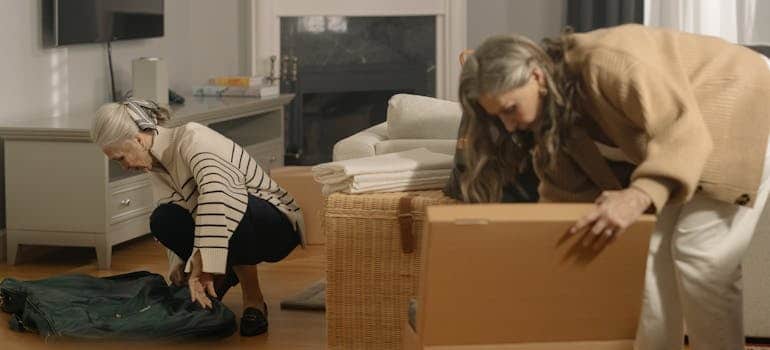
The Convenience Factor: Moving at Your Own Pace
The sheer amount of stuff seniors had collected over the years felt overwhelming. So, ask yourself, “How am I going to pack everything and move on the same day? What if I need more time to sort through things?” These are common concerns among seniors who may not have the energy or time to rush through the moving process.
This is where portable storage makes senior relocation easy. Instead of packing up everything at once and hiring movers to transport it immediately, seniors can have a storage container delivered to their home. This means seniors can load their belongings gradually, over several days or even weeks, allowing them to sort, donate, or discard items thoughtfully.
You don’t need to be overwhelmed by the timeline. The container stays safely outside the house, waiting patiently until you are ready to move. When the time comes, the storage company transports belongings directly to your new apartment. This flexible, stress-free approach is one reason seniors benefit from portable storage more than traditional moving methods.
A Safer, Less Physically Demanding Option
One important question many seniors ask is, “Is portable storage safe and physically manageable for someone my age?” The answer is yes, and here’s why. Traditional moving often involves multiple trips to a storage facility or a tight schedule for movers, which can be physically taxing. Many seniors find portable storage especially appealing because it accommodates their physical needs and limitations. Moving is hard work, but portable storage offers a gentler alternative, making it easier for seniors to manage without extra help.
Security and Peace of Mind
Another concern seniors often have during a move is, “Will my belongings be safe?” Portable storage companies typically provide secure, weather-resistant containers that protect belongings from damage and theft. For seniors, this security is reassuring. Unlike leaving boxes scattered in a garage or temporary storage that requires multiple transfers, the portable storage container keeps everything in one place until the move is complete.

How Much Does Portable Storage Cost for a Senior Move?
A senior move in the Roaring Fork and Eagle Valleys usually runs one to three months of container rental, which puts the storage portion of the budget between $150 and $900 total. A widow moving from a three-bedroom Carbondale home into a two-bedroom apartment in Glenwood Springs typically needs a 16′ container for six to eight weeks: $200 per month on the driveway during packing, then $300 per month at the Columbine facility while the estate items are sorted and sold.
Compare that with the alternative. A self-storage unit means renting a truck, recruiting help, and making four to six round trips up and down the valley — every trip with lifting, ramps, and winter road conditions. With portable storage containers in Colorado, the only handling is between the front door and the driveway.
Call the Aspen office at 970-925-2201 or the Eagle Valley office at 970-328-2008 for an exact figure on your address, since delivery distance affects the quote.
What Size Container Does a Downsizing Senior Need?
Size the container to what you are keeping, not to what is currently in the house. That distinction matters, because downsizing seniors usually part with 30–50% of their belongings on the way to a smaller home.
- 12’x8’x8′ (768 cu ft): a one- or two-bedroom home, a condo, or the furniture and boxes that survive a full downsizing pass from a larger house.
- 16’x8’x8′ (1,024 cu ft): a two- or three-bedroom home moved intact, or a household being held in storage while a new home is finished or an assisted living spot opens up.
- Two 12′ containers instead of one 16′: worth considering when items are splitting between two destinations — some to the new apartment, some to the adult children.
If the keep-pile is genuinely unclear at booking time, start with the 16′. Paying $50 more per month is cheaper than a second delivery.
How Long Does a Senior Move with Portable Storage Take?
The point of mobile storage is that the schedule stretches. Here is what a realistic, unhurried timeline looks like for a downsizing move in Colorado:
| Week | What happens | Where the container is |
|---|---|---|
| Week 1 | Container delivered; sort room by room, starting with the least emotional (garage, laundry, guest room) | On the driveway |
| Weeks 2–3 | Load keeps; set donations and estate-sale items aside; family visits to claim heirlooms | On the driveway |
| Week 4 | Final load-out, cleaning, walkthrough; container picked up | Transported to Columbine’s facility or the new address |
| Weeks 5–6 | Unload into the new home at whatever pace suits; leftovers stay stored | New address or facility |
Four to six weeks is the norm. Some families keep the container for three or four months when a home sale, a remodel, or an assisted living waitlist is in play, and that is fine — the rental simply continues month to month.
Moving a Parent into Assisted Living or a Retirement Community
Most calls Columbine takes about senior moves come from adult children, not from the senior. The usual situation is a deadline that arrived early: a spot opened up at a community in Glenwood Springs or Eagle, move-in is in three weeks, and nobody has opened the basement in a decade.
A container solves the specific problem this creates. The parent’s apartment gets furnished with what fits, and everything undecided goes into the container instead of into a landfill or a sibling’s garage. Nothing has to be thrown out under pressure, and that removes the single biggest source of conflict in these moves. Families who need a structured way to work through the keep-or-let-go question can use the Core 4 method of decluttering, which sorts every item into keep, donate, sell, or toss in one pass rather than three.
For moves prompted by a death, a diagnosis, or a sudden change in care needs, storage after a major life change buys the one thing families never have enough of at that moment, which is time.
What Colorado Seniors Should Know Before Delivery Day
Mountain properties come with a few conditions that flat-land storage guides skip:
- Driveway grade and surface. Steep, gravel, or narrow driveways limit where a container can be set down safely. Mention any tight turns or low branches when you book so the driver arrives prepared.
- Winter delivery windows. Deliveries run year-round, but snow and ice in Pitkin, Eagle, and Garfield counties can shift schedules between November and April. Book early and leave a flexible delivery window.
- HOA rules. Some Aspen, Snowmass, and Vail communities cap how long a container may sit on a residential property or restrict placement near the street. Check first; if the rules conflict, storing at Columbine’s facility solves it. Local requirements are covered in more detail in the guide to storage rules and regulations in Colorado.
- Overnight temperature swings. Freezing nights happen even in July at valley elevations. A steel container handles furniture and boxes fine, but pianos, artwork, wine, medications, and electronics belong in climate-controlled storage instead.
When Portable Storage Is Not the Right Answer
Being straight about this saves people money. A container is the wrong tool when the move is a same-day transfer into a furnished assisted living room with no items held back, when an HOA forbids on-site placement and everything is going straight to the new address anyway, or when the entire load is temperature-sensitive. In those cases a standard residential move or indoor storage costs less and involves fewer steps. Columbine’s team will say so on the phone rather than deliver a container that is not needed.
Should You Hire a Senior Move Manager Too?
For an estate with decades of accumulation, or when the adult children live out of state, a senior move manager handles the sorting, appraisals, donation runs, and floor plan for the new residence. Rates commonly run $60–125 per hour, separate from moving and storage costs, and the specialty exists precisely because these moves are as much emotional as logistical. You can locate a certified move manager by state or zip code through the National Association of Senior and Specialty Move Managers. Pairing one with a container is a common setup: the manager runs the decisions, the container absorbs everything not yet decided.
Tips and Tricks for Seniors Considering Portable Storage
If you’re a senior—or helping one—thinking about moving with portable storage, here are some practical tips to make the process even smoother:
- Start early: Order the container well before your move date. This gives you time to pack gradually without stress.
- Organize smartly: Label boxes clearly and pack room-by-room. This makes unloading easier and helps you find essentials quickly.
- Prioritize essentials: Keep daily necessities separate and accessible, so you don’t have to dig through boxes right away.
- Ask for help: Don’t hesitate to involve family members or friends for physical assistance or emotional support.
- Use quality packing materials: Protect fragile items with bubble wrap or soft cloths to avoid damage during transport.
- Measure your new space: Make sure your new home can accommodate the furniture and items you plan to keep.
These small steps can transform a daunting relocation into a manageable, even enjoyable experience.
Why Seniors Benefit from Portable Storage Long-Term
Besides easing the moving day itself, seniors benefit from portable storage because it supports downsizing and long-term organization. After a move, many older adults need to figure out what not to keep, donate, or discard from their new, often smaller living spaces. Portable storage allows them to store items safely on-site while they make these decisions at their own pace. It reduces pressure and gives you control over your belongings, which is invaluable during an emotionally charged life change.

In Conclusion: Why Seniors Prefer Portable Storage
There are clear signs why seniors prefer portable storage when relocating. It offers a flexible, convenient, and safe way to move without the stress of rigid schedules or heavy lifting. With portable storage, seniors can pack at their own pace, protect their belongings, and enjoy peace of mind throughout the process.
For those planning a move, consider this solution as a way to make the transition easier and more manageable. Remember, seniors prefer portable storage because it meets their unique needs, supports their well-being, and transforms a challenging experience into one filled with confidence and calm. If you or a loved one are preparing for a move, keep these benefits in mind. Portable storage could be the key to a smoother relocation journey and a fresh start without unnecessary hassle. And Columbine Moving & Storage CO offers flexible mobile storage solutions in Western Colorado, such as portable storage in Glenwood Springs CO or any other CO location.


Been working with them for our Moves in Aspen and Vail. Great company and great service.
Louis-Philippe Paquin

Frequently Asked Questions
How much does a portable storage container cost for a senior move in Colorado?
Columbine Moving & Storage charges $150 per month for a 12'x8'x8' container kept on your property and $225 per month if it is stored at their facility. The 16'x8'x8' container is $200 per month on-site and $300 per month at the facility. A typical downsizing move uses the container for one to three months, so the storage portion of a senior move usually totals $150–$900.